Turning Personal Experience Into Patient Advocacy
Living Rare, Living Fully
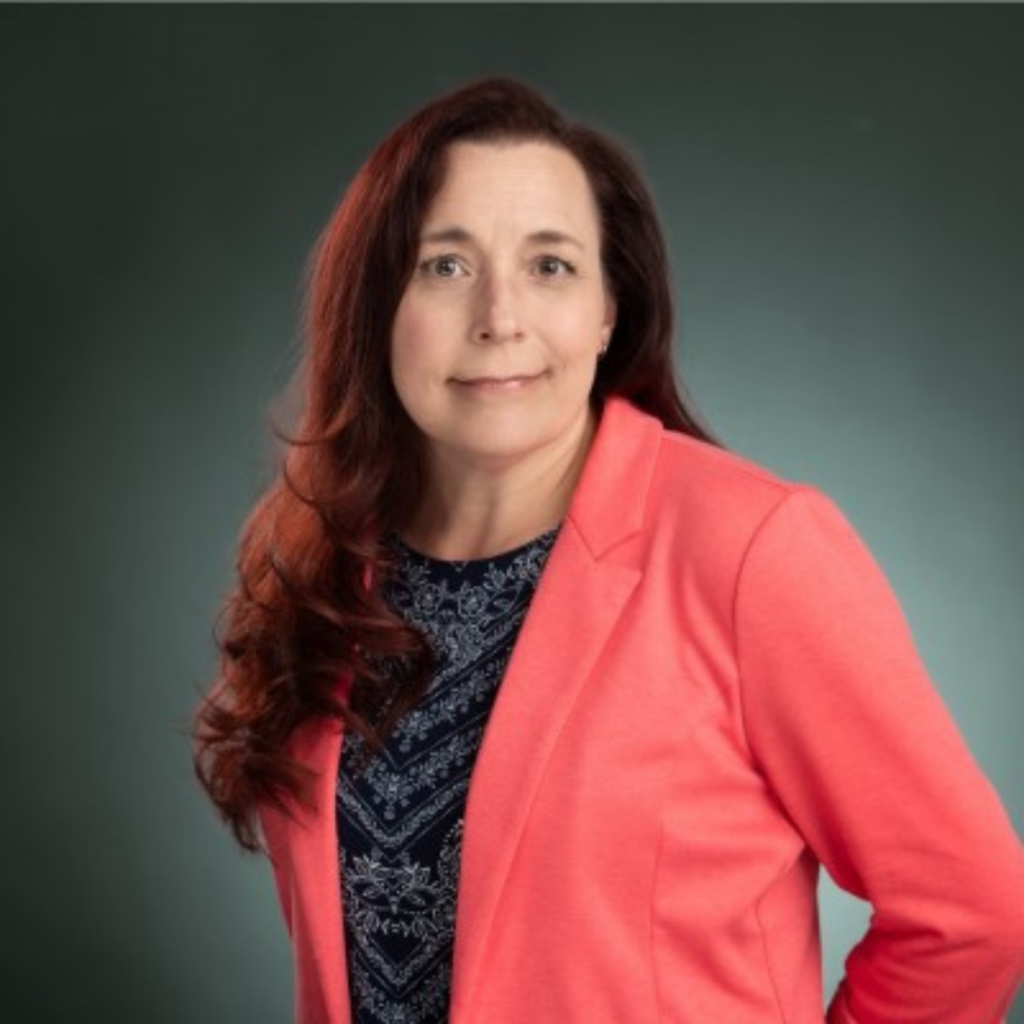
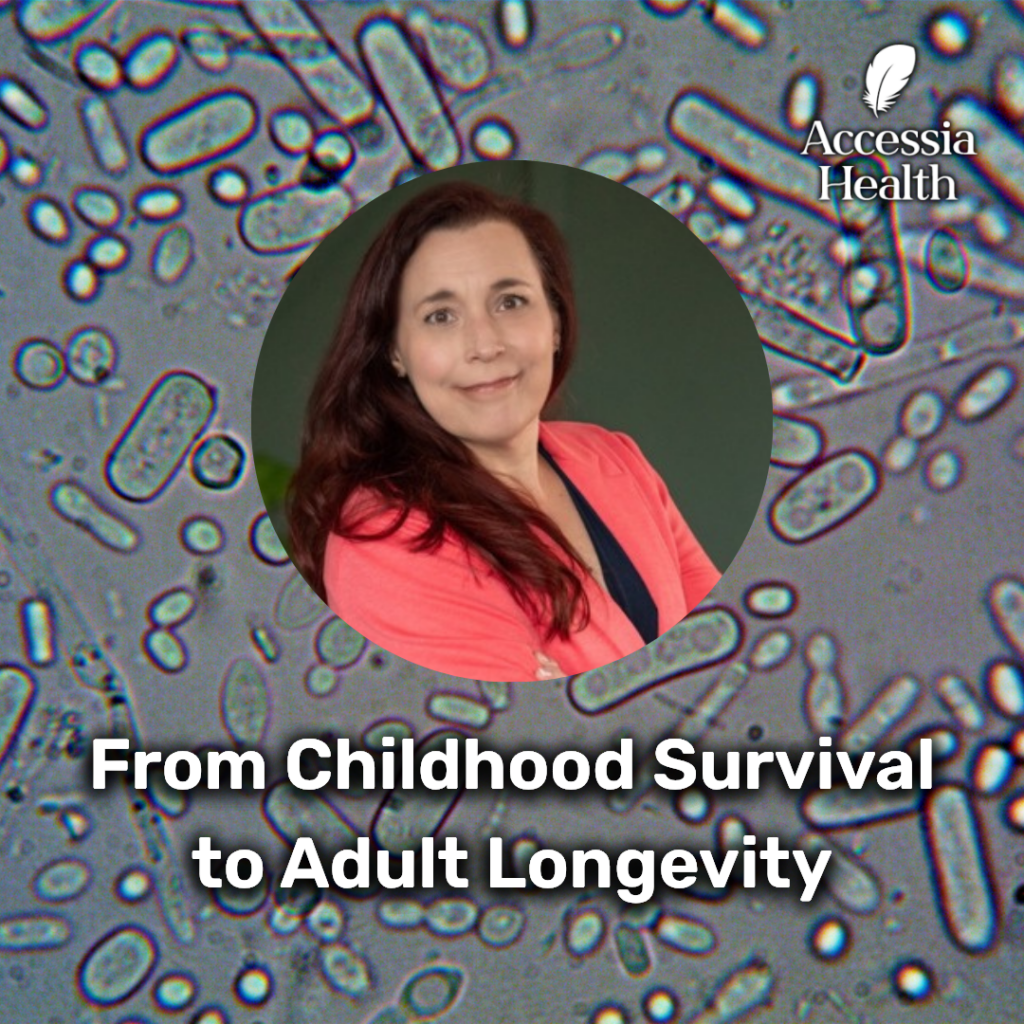
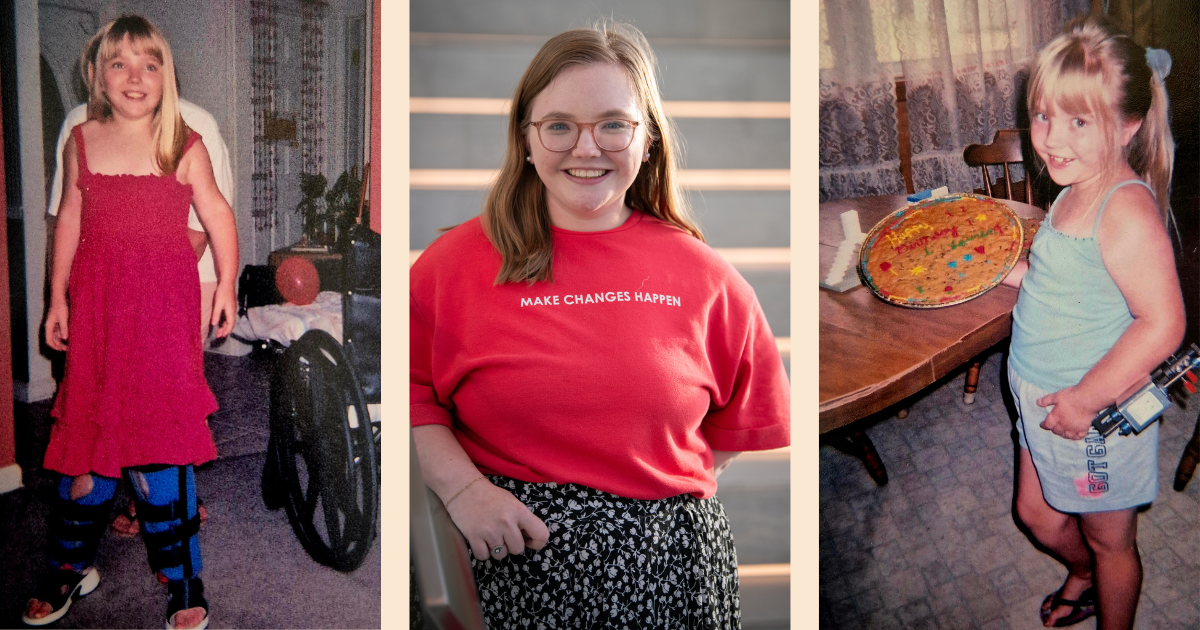
For Lauren McCabe, Digital Brand Manager at Accessia Health, our mission carries a deeply personal meaning. Diagnosed with Multiple Hereditary Exostoses (MHE), as a child, she understands firsthand what it means to grow up navigating a rare condition. MHE is a rare genetic condition that causes multiple benign bone growths, which can affect movement, comfort, and daily life. Her personal journey gives her a perspective that extends beyond her professional role and brings added meaning to the work she does today.
This month, Lauren is graciously sharing part of that journey with Accessia Health, what living with MHE has taught her, and how those experiences continue to shape her connection to the people and mission we serve.
You were diagnosed with Multiple Hereditary Exostoses (MHE) as a child. What was that experience like for you, and how did growing up with a rare condition shape some of your earliest experiences with health and medical care?
I knew from a young age that something was different about me. I was diagnosed before I was a year old, but my mother always says she remembers picking me up as a baby and that she could feel the benign tumors on my ribcage, poking through my skin. I began going for regular check-ups and sitting in on treatment plans by the time I was in kindergarten. But for the longest time, I loathed sharing my condition or explaining the physical limitations to my peers because of how kids can be. Especially after my first arm surgery—where I had a device hooked into my left arm with pins and screws sticking out for 6 months to help straighten it—I received many looks and questions that made me uncomfortable. I am naturally pretty shy and did not like the attention—good or bad.
But perhaps the experience that truly opened my eyes to what kind of barriers to care someone with a rare disease can face was after my third surgery around the age of 11-12. I had both of my legs operated on to put in four plates and two screws into each leg to encourage growth and prevent bowlegged-ness from the tumors. I was in a wheelchair for three months with gauze, wraps, padding, and leg braces that went from my ankles to my thighs. I lived with my single mom, and we were very low-income on Medicaid. Our insurance denied for me to have physical therapy to learn how to re-walk and bend my knees again, though it was extremely evident from being in a room with me that I would need extensive therapy to even try to function at the level I should be at for a kid who still had major dreams and aspirations.
Because of this denial, recovery was very rough. A kind family friend stayed with me while my mother worked and did her absolute best to get me up and moving with a walker she borrowed from her own mother. Eventually, I was able to finally walk without assistance and returned to mostly normal function, but the surgery drastically damaged my nerves to the point that I cannot be on my knees for more than a minute. I cannot sit crisscross on the floor because my legs do not bend that way anymore. I can no longer ride a bike. I cannot sit in a car, plane or bus for more than two hours without spastic, tingling pain shooting through my legs. This experience has drastically opened my eyes to what is broken in the insurance and medical authorization system. No child or adult should have to accept that their quality of life can or will dissipate because of their lack of funds.
Because MHE is rare, many people may be learning about it for the first time. What do you wish others better understood about the condition and what it can mean for someone living with it?
This condition affects people differently. Some may grow up without any challenges or knowledge that they have it, while others like myself are considered on the mild to severe side for tumor growth, placement, and quantity. Though it doesn’t necessarily lead to a shorter lifespan, it does raise chances of bone cancer and diminished mobility in later years. Even just 30-40 years ago, there wasn’t an approved surgical treatment for MHE, which left people to debilitate physically and rely on a walker, cane, or wheelchair for support much earlier in life. My own paternal grandfather had the same condition (though he was not given a name for it), and I grew up hearing how in the 1920s, he entrusted his small delta town dentist to surgically go in and cut out a tumor that was greatly inhibiting his quality of life and ability to work. No anesthesia. No nurses. No hospital. He fought infection post-operation and was bedridden for over a year. He used a cane afterwards until the end of his life at 92.
Thankfully, technology has come a long way and there are now orthopedic doctors and centers across the U.S. who can diagnose and carry out a treatment plan. Like many other rare and chronic conditions, MHE doesn’t discriminate. It can be inherited from a parent (as was my case), or a completely random genetic mutation. I requested tests for my own child before the age of one and was told through bloodwork and x-rays that he did not have it. I am a very big advocate for family genetic testing and believe that it is an important first step to not only learning more about yourself and family history, but to ensure that if treatment is needed, it can be carried out and accessed as soon as possible.
Looking back on your journey with MHE, what has the experience taught you about resilience, compassion, or the importance of having people to turn to during challenging moments?
I believe my empathy and understanding of the human condition has been around since day 1. I was raised in a household that preached “different” doesn’t mean “not capable.” Because I grew up not knowing anyone else outside of my family with MHE, I often felt alone and isolated in my experiences. I didn’t know that there were others out there like me, nor what the word “advocate” truly meant. But once I gained the courage to share and speak on my story, a weight lifted off my shoulders. I suddenly had people in my corner cheering me on, looking past my prominent scarring, and wanting to connect with me because of who I am rather than because they feel sorry for me. Opening up about myself and my story to others was the best decision I could have ever made.
Today, you work for an organization dedicated to helping people living with rare and chronic health conditions. How does your own experience with MHE influence the way you connect with the mission of Accessia Health and the significance you find in the work you do each day?
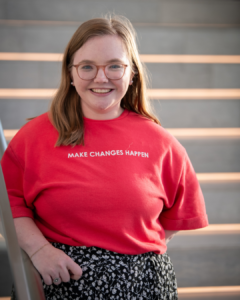
As I finished college in 2020, I didn’t know exactly what to do. I could at least say that I wanted to make a difference somewhere, but I still wasn’t fully upfront about my health and physical challenges. I ended up getting into healthcare communications and nonprofit marketing and found that it was something I really loved.
I quickly began to speak up about my MHE in this line of work, and before I knew it, I had reached the stage of considering myself an advocate for rare disease. I first heard about Accessia Health in passing in the summer of 2024 and was officially a team member come January 2025. I still find it quite amusing how life works that way.
I easily fall heavy and hard in emotion & understanding when reading and relating to the stories and experiences we hear from patients every day. For those who share their healthcare journeys with us via email, mail, or our website – know that there is an individual on the other end who takes in every word, every challenge, and every triumph that you submit.
As the Digital Brand Manager, it is not only my professional goal, but my personal goal to ensure that your voice is heard.
Lauren’s willingness to share her journey is a reminder that behind every rare or chronic condition is a person with a story worth hearing. After reading her words, we invite you to share your story. Whether you are living with a health condition, supporting someone you love, or have a personal connection of your own, please know that you are part of a community that cares, listens, and understands. Your story may be the one that helps someone else feel a little less alone.