Leading Patient-Centered Healthcare Solutions
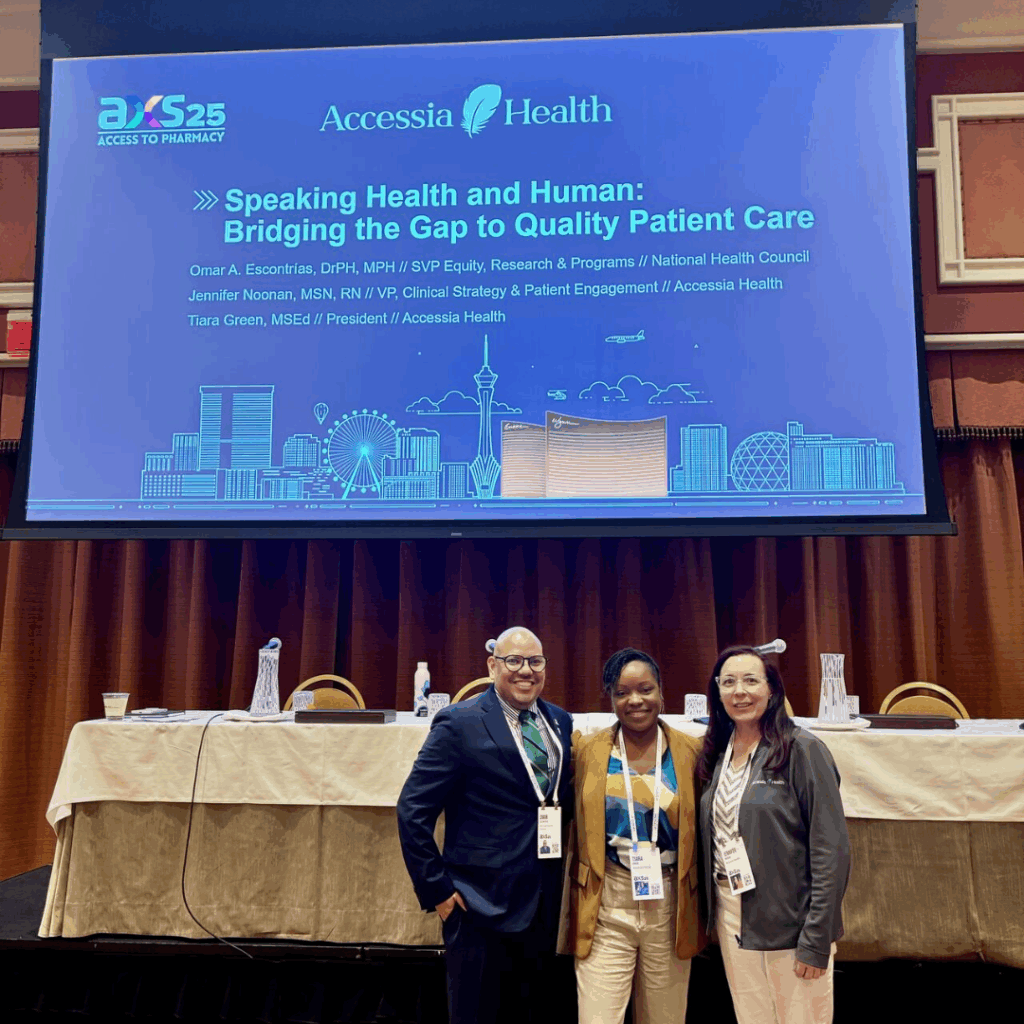
With more than 25 years of clinical nursing experience, Jennifer Noonan, VP of Clinical Strategy, brings a deep understanding of the challenges of patient-centered healthcare and an unwavering commitment to helping improve their lives.
You bring years of clinical nursing experience to your role. Looking back on your career, what experiences have most shaped your perspective on patient care and inspired your commitment to advocating for individuals living with rare and chronic health conditions?
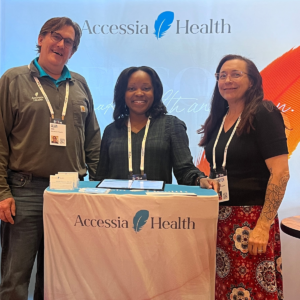
Over the years, I’ve worked in emergency medicine, trauma, hospice, palliative care, and now patient advocacy. No matter what the setting, one thing has always been true for me: every patient has a story that is bigger than their diagnosis.
Early in my career, I focused on treating the medical problem. Over time, I realized that access to care, financial challenges, and simply navigating the healthcare system often have just as much impact on outcomes as the treatment itself. That is one thing that drew me to Accessia Health. Helping people overcome those barriers so they can actually receive the care they need is incredibly meaningful, and it is still my why every day.
The healthcare landscape is constantly changing, affecting everything from access to care and treatment affordability to patient support services. What trends or challenges are having the greatest impact on the rare and chronic disease community today, and how is Accessia Health responding to those needs?
We are seeing such incredible advancements in medicine, but this innovation only matters if someone can actually access it. Too many people still face barriers like cost, limits from insurance plans, travel costs and many hours of unpaid time. I have been incredibly moved to see the work that we have done to close some of those navigational barriers, simply by allowing more flexibility in the how individuals can spend their charitable dollars. We see every day how varied the out of pocket costs associated with treatments from one person to the next.
A key part of your role involves developing patient-centered programs and building strategic partnerships. What do you believe makes a patient program truly impactful, and how do partnerships help strengthen the support available to patients and their families?
Building patient programs should start by listening. Every disease is different, but every patient is different too, so understanding what people actually need is essential. No one organization can do it alone. When nonprofits, advocacy groups, providers, and industry are all working together, we create a stronger support system that not only helps ensure access to care but also improves their quality of life. That’s what success looks like to me.
The phrase “patient voice” is often used in healthcare conversations, but what does it mean to you personally? How can organizations, providers, and policymakers better ensure that patients are heard and represented in decisions that affect their care?
To me, the patient voice means recognizing that lived experience matters. Patients understand the realities of living with their condition in ways data can never show us. We need to involve patients early, not after decisions have already been made. When patients help shape programs from the start, we create solutions that truly meet their needs.
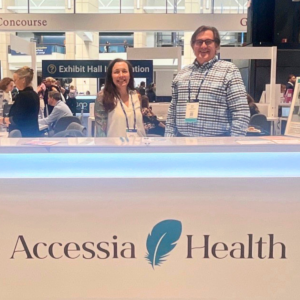
As you look toward the future, what gives you the most hope for the rare and chronic disease community, and what role can supporters, advocates, and donors play in helping expand access, strengthen patients programs, and ensure more individuals receive the support they need?
What gives me hope is seeing how much collaboration is happening across the healthcare community. Over the past few years, I’ve watched so many organizations come together in ways I haven’t seen before. Everyone brings something different to the table, but it has felt more collaborative toward making life better for patients. That kind of partnership is creating real momentum, and it makes me optimistic about what’s possible for the future.