Key Healthcare Issues Impacting Patients and Families
Although 2025 was not a presidential or congressional election year, some state and local elections were held in November that allowed Americans to use their voice, and their vote, to send a clear message to Congress: health coverage is too expensive and needs to be a priority. Since then, there has been a new word that has set the tone on both sides of the political aisle for policymaking in D.C., particularly in healthcare issues: affordability.
Civics 101
Congress plays an important role in shaping healthcare policies and programs that affect patients and families across the country.
Congress is made up of 535 elected lawmakers: 435 members of the House of Representatives and 100 Senators. These lawmakers make decisions that can influence:
- Funding for medical research and public health programs
- Healthcare agencies and services
- Health insurance coverage and patient protections
- Access to treatments, medications, and care
Members of Congress regularly hear from the people they represent and rely on those conversations to better understand the challenges facing their communities. This is especially true when it comes to healthcare.
Because no single lawmaker can make changes on their own, elected officials often work together across committees and political parties to build support for healthcare legislation. Patient advocates play an important role in helping lawmakers understand why these issues matter and encouraging them to take action.
[Explore Key Advocacy Acts]
The Issues
Lawmakers are currently discussing several healthcare issues that could impact patients, caregivers, and families across the country. To make informed decisions, they rely on feedback from the people who experience these challenges every day.
One important topic is funding for programs that support medical research, public health initiatives, and healthcare services. Each year, Congress decides how federal funding is distributed across many priorities, including healthcare. Continued investment in research and patient support programs can help improve treatment options, expand access to care, and support the development of future therapies and cures.
Lawmakers are also examining ways to improve healthcare affordability and reduce barriers that make it difficult for people to receive the care they need. Some of these challenges include:
- Prior authorization, which may require insurance approval before treatment can begin.
- Step therapy, which may require patients to try one treatment before their insurance will cover another prescribed option.
- Copay accumulator programs, which can prevent manufacturer copay assistance from counting toward a patient’s deductible or out-of-pocket costs.
- Pharmacy benefit manager (PBM) practices that are working to modernize the 340B drug discount program.
If you have experienced any of these challenges, your story can help lawmakers better understand how healthcare policies affect real people and their families.
For many individuals and families, advocacy can feel intimidating. However, telling your healthcare journey can make a meaningful difference. As Accessia Health advocate David W. shared:
“I was absolutely thrilled to talk to government officials who could make a difference. They were very, very in tune to what we were saying. They said they were moved by my story, but my story is just typical of people who get saved just by the narrowest margins.
Being able to speak to legislation, people that can actually legislate and influence our senators and our congressmen, that was really special.”
Looking Forward
Congress is expected to continue working on healthcare funding and patient access issues throughout the year. Lawmakers are currently developing federal funding plans for Fiscal Year 2027 and determining which healthcare proposals have enough support to move forward.
During August, members of Congress typically return to their home states and districts to meet with constituents and engage with their communities. This can be an excellent opportunity for patients, caregivers, and advocates to share their experiences directly with elected officials.
Following the November elections, Congress will return for what is commonly called a “lame duck session.” A lame duck session is the period between Election Day and the start of a new Congress. During this time, lawmakers work to complete unfinished business, including funding bills and other legislation that may still be under consideration.
Your Voice and Your Story Matter
Healthcare policies are often shaped by the experiences of patients, caregivers, and advocates who speak up about the challenges they face. When lawmakers hear directly from the people affected by healthcare decisions, they gain valuable insight into what is working, what needs improvement, and where additional support may be needed.
“I feel like I always learn something new during [advocacy meetings]. It’s always very eye-opening to be able to sit down and talk with senators and congressmen. I really enjoy those experiences.” – Narah C.
“I’m not a public speaker, and I always get nervous speaking with people. But I’ve learned if it’s something that you’re passionate about, it comes easy. I love being able to sit in on [advocacy] conversations with congressmen. When I hear patient stories, I’m always just in awe of the resilience and the ability to converse and conversate their story, and what it means to the patients for legislation to be able to pass these acts.” – Lynsey A.
Take Action
There are many ways to make your voice heard and help policymakers better understand the challenges facing patients and families today.
- Participate in Accessia Health Advocacy Events
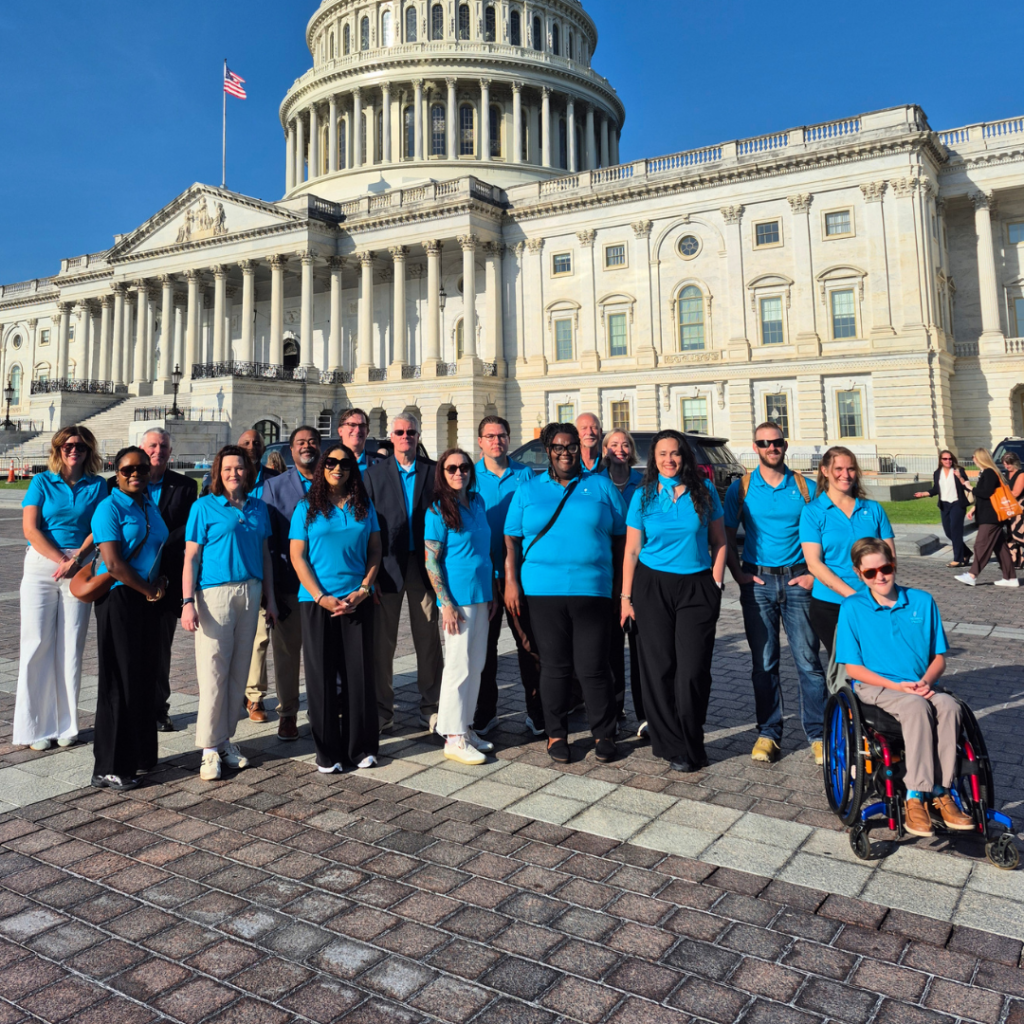
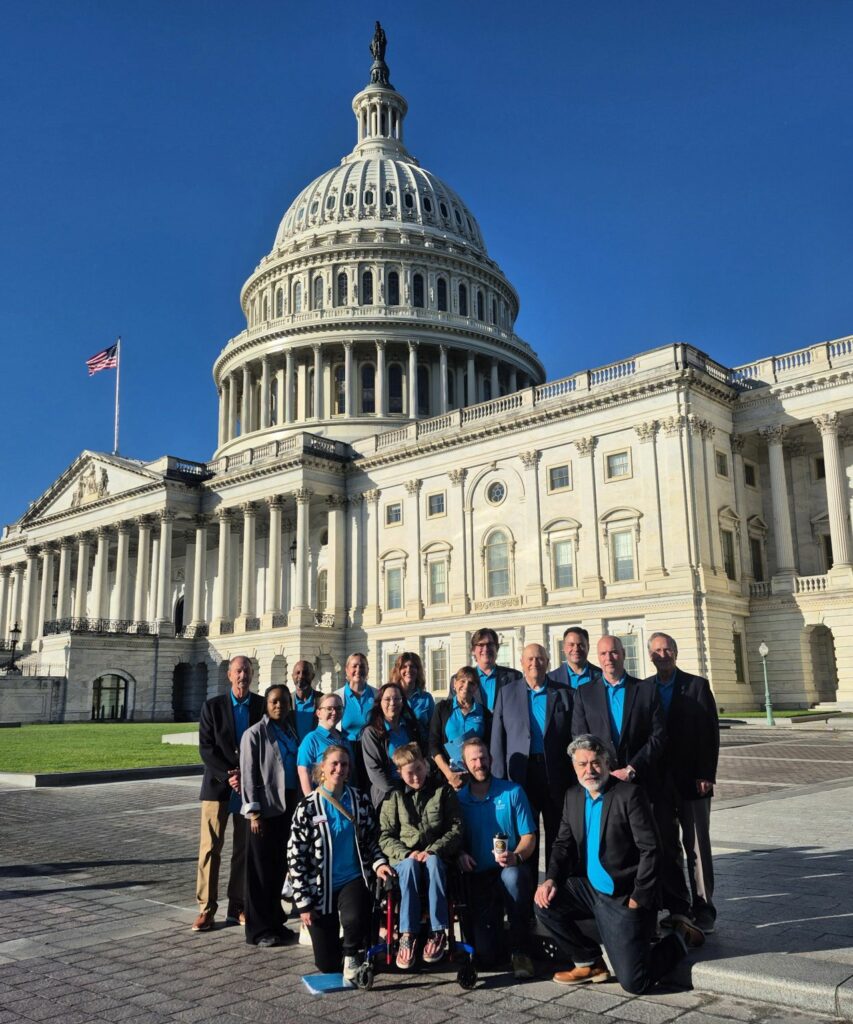
Accessia Health hosts both virtual and in-person advocacy events, providing opportunities for patients, caregivers, and healthcare advocates to meet directly with lawmakers and their staff. These events help participants share their personal experiences, discuss healthcare access challenges, and advocate for policies that support patient communities.
No prior advocacy experience is required, and our team provides guidance and support throughout the process. To stay up to date on advocacy opportunities, subscribe to our quarterly Accessia Health Policy & Advocacy Newsletter.
- Use the Accessia Health Advocacy Action Center
Our Advocacy Action Center makes it easy to contact your elected officials and stay informed about important healthcare issues affecting patient communities. Through the Action Center, you can send messages to lawmakers, participate in advocacy campaigns, and learn about current policy priorities.
- Attend Educational Advocacy Webinars
Accessia Health regularly offers educational webinars designed to help patients, caregivers, and healthcare advocates better understand healthcare policies, patient rights, and current legislative issues, such as the Safe Step Act and the HELP Copays Act. These sessions provide practical information and tools to help you confidently engage in advocacy efforts.
- Share Your Story With Policymakers
Your personal healthcare journey can help lawmakers better understand the real-world impact of healthcare policies. Accessia Health can help connect your story with policymakers, include patient experiences in advocacy materials, and identify opportunities for your voice to make a difference. Submit your testimony here.
- Connect With Your Elected Officials
Consider contacting your Senators and Representatives by email or requesting a meeting with their local office. Sharing your experience with healthcare affordability, insurance barriers, or treatment access challenges can help lawmakers understand the issues that matter most to their constituents.
If you’re unsure where to start, Accessia Health’s advocacy team can help guide you through the process.
Watch Our Latest Advocacy Webinar Below:
Blog and legislative insights by Dane Christensen, Washington Representative with the Health and Medicine Council