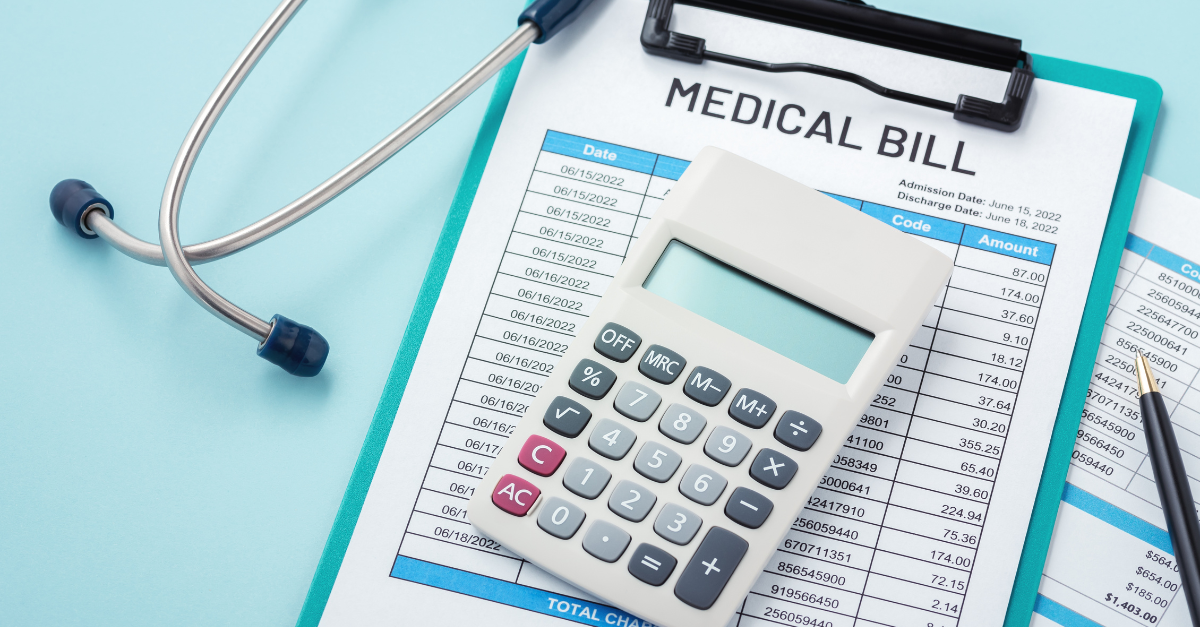
How to Read a Hospital Bill
Receiving a hospital bill can feel overwhelming. Between unfamiliar medical terms, multiple charges, and insurance information, it can be difficult to know exactly what you’re looking at—or whether everything is correct.
Understanding your hospital bill is an important step in managing healthcare expenses, identifying potential errors, and making informed decisions about your care. Whether you’re reviewing a bill for yourself, helping a loved one, or supporting others as an advocate, knowing what to look for can make the process much less stressful.
Why Understanding Your Hospital Bill Matters
Medical bills are often complex, and mistakes can happen. Taking the time to review your bill can help you:
- Understand what services were provided
- Verify that charges are accurate
- Confirm that insurance payments were applied correctly
- Identify billing errors or duplicate charges
- Ask questions before making payments
- Explore financial assistance options if needed
A hospital bill is more than just a payment request—it is a detailed record of the care you received and how those services were billed.
Understanding the Key Parts of a Hospital Bill
While every healthcare provider uses a slightly different format, most hospital bills include the following information:
Patient Information: This section includes the patient’s name, account number, dates of service, and provider information. Make sure all personal details are accurate.
Services and Charges: This area lists the treatments, tests, procedures, medications, and supplies provided during care. Each service may appear with a description, billing code, and associated cost.
Insurance Information: If insurance was used, the bill may show:
- Total charges
- Amount billed to insurance
- Amount paid by insurance
- Adjustments or discounts
- Remaining patient responsibility
Balance Due: This is the amount the patient may be responsible for paying after insurance payments and adjustments have been applied.
What Patients Should Look For
Confirm Your Information: If you’re reviewing your own hospital bill, start by checking for accuracy. Verify that your name, insurance information, dates of service, and provider details are correct.
Review Each Charge: Look for services, procedures, or medications that you do not recognize. If something seems unfamiliar, ask for clarification.
Watch for Duplicate Charges: Sometimes the same service may accidentally appear more than once. Compare charges carefully.
Compare Your Bill to Your Explanation of Benefits (EOB): Your insurance company may send an Explanation of Benefits after a claim is processed. This document is not a bill, but it explains:
- What services were billed
- What insurance paid
- What amount may be owed by the patient
The information on your hospital bill and EOB should generally align.
Ask Questions: If something doesn’t make sense, contact the hospital billing department. It is completely appropriate to ask for explanations before making a payment.
What Caregivers Should Know
Caregivers often help loved ones manage medical appointments, insurance paperwork, and healthcare expenses. Understanding a hospital bill can help ensure that no important details are overlooked.
Keep Important Documents Together: Maintain copies of
- Hospital bills
- Insurance EOBs
- Payment receipts
- Correspondence with providers
Having these documents organized can make it easier to resolve questions or disputes.
Advocate for Clarification: If a loved one is confused or overwhelmed, caregivers can help contact billing offices, request itemized bills, and ask questions about charges or payment options.
What Healthcare Advocates Should Know
Healthcare advocates play an important role in helping individuals understand their healthcare costs and access available resources.
Encourage Patients to Request Itemized Bills: An itemized bill provides a detailed breakdown of charges and can help identify billing errors or unexpected costs.
Educate Patients About Their Rights: Patients have the right to
- Receive explanations of charges
- Ask questions about their bills
- Request corrections to billing errors
- Discuss payment plans and financial assistance options
Connect Individuals to Available Resources: Many hospitals offer programs that may help reduce financial burdens for eligible patients. These may include
- Charity care programs
- Financial assistance programs like those offered by Accessia Health
- Income-based discounts
- Interest-free payment plans
Advocates can help individuals understand what support may be available and how to apply.
Questions to Ask About Your Hospital Bill
If something on your bill is unclear, consider asking:
- Can you explain this charge?
- Can I receive an itemized bill?
- Was my insurance claim processed correctly?
- Are there any financial assistance programs available?
- Can I set up a payment plan?
- Has every available insurance adjustment been applied?
Asking questions can help prevent misunderstandings and ensure bills are accurate.
Resources and Support
If you need help understanding a hospital bill, several organizations and resources may be able to assist.
No Surprise Act: The No Surprises Act protects people covered under group and individual health plans from receiving surprise medical bills when they receive most emergency services, non-emergency services from out-of-network providers at in-network facilities, and services from out-of-network air ambulance service providers.
Hospital Billing Department: Your provider’s billing office is often the best place to start when seeking clarification about charges or payment options.
Health Insurance Provider: Insurance representatives can help explain claims, coverage decisions, and patient responsibility amounts.
Patient Advocacy Organizations and Financial Assistance Programs: Disease-specific and patient-focused organizations may provide educational resources, financial assistance information, or support services that help individuals better understand healthcare expenses.
Understanding a hospital bill is important, but finding help when costs become overwhelming is equally important. Accessia Health helps eligible individuals with rare or chronic health conditions to access care by providing financial assistance for medical expenses, insurance premiums, medication copays, and treatment-related travel. Through patient education, advocacy resources, and support services, Accessia Health works to reduce financial barriers and help individuals focus on their health rather than the cost of care.
Final Thoughts
Hospital bills can be confusing, but taking a few moments to review the details can help you better understand your healthcare costs and identify potential concerns. Patients, caregivers, and healthcare advocates all play an important role in ensuring that medical bills are accurate, understandable, and manageable.
If you have questions about a bill, don’t hesitate to ask for help. Understanding your healthcare expenses is an important part of making informed decisions and accessing the care you need.
Visit Accessia Health’s Educational Resources page to explore common health insurance terms, resources, and videos that walk you through topics like health insurance & medication coverage, a quick look at your health insurance card, and more.