Disaster Preparedness with Chronic Health Needs
While September is recognized as National Preparedness Month, you shouldn’t wait until then to get ready. As summer approaches and weather-related emergencies become more common across the country, now is the ideal time to build a disaster preparedness plan, review your existing plans, update important documents, and confirm you have the supplies and information you need to stay safe.
Disasters can strike with little warning. Hurricanes, floods, wildfires, unexpected power outages, and severe storms can quickly cut off access to essential medications, medical equipment, healthcare providers, transportation, and other critical resources. For people living with rare or chronic health conditions, these barriers can have serious consequences — which makes advance planning even more important.
A solid emergency plan can reduce stress, protect your health and the health of your loved ones, and make sure everyone knows what to do when an emergency happens. Use the practical tips and resources below to prepare your household, stay safe, and maintain access to the care and support you depend on.
Step 1: Register for Utility and Community Assistance Before an Emergency
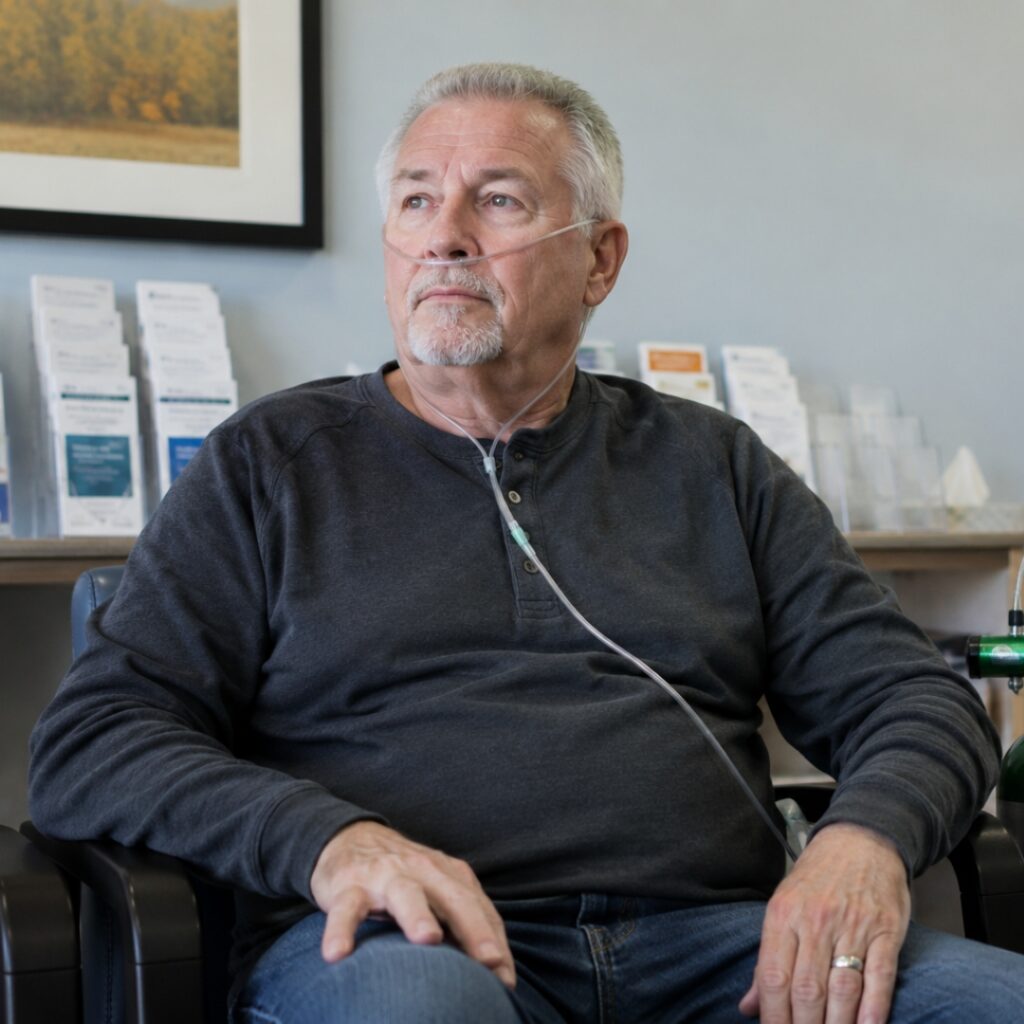
If you or anyone in your household depends on electricity for medical needs, contact your local utility company and report medical equipment or care needs, including:
- Medical equipment that requires power
- Mobility equipment (if possible, keep a manual wheelchair available as backup)
- Respiratory equipment
- Refrigerated medication
- Oxygen
- Other health-related needs
Ask whether your utility company maintains a life-sustaining equipment, medical priority, or critical-care customer list. Enrollment doesn’t guarantee immediate power restoration, but it may help the utility prioritize your service during an outage. Keep medical documentation on hand — including diagnosis information and equipment requirements — for verification.
Even with priority status, your plan should still include backup power, battery charging options, and an evacuation plan in case power is out for an extended period. Keep documentation from your healthcare provider and equipment supplier with your emergency records, and ask your medical equipment company about battery backup options and other emergency services they may offer.
Special Needs and Vulnerable Population Registries
Contact your local emergency management office to ask about voluntary registries for people with disabilities or others who may need extra assistance during a disaster. Your county or city emergency management department can tell you what registries, alerts, and special assistance programs are available in your area. Registering gives local emergency planners and first responders valuable information about your household’s specific needs during a crisis.
Statewide resource: Dial 211 to connect with a local specialist who can help you find registries, alerts, and other tools for your emergency preparedness plan. You can also visit United Way 211 to search for resources by location.
Step 2: Build Your Emergency Preparedness Plan
- Hold a family or household meeting. Discuss the types of emergencies most likely in your area, where everyone will go, how you’ll communicate if separated, and who is responsible for children, older adults, pets, medications, documents, and supplies.
- Decide when evacuation is necessary. Identify situations when staying home may be unsafe — evacuation orders, flooding, structural damage, fire risk, loss of essential medical power, extreme temperatures, or lack of safe drinking water.
- Protect important documents and assets. Store copies of insurance policies, identification, medical information, prescriptions, legal documents, and financial records in a waterproof container and a secure digital backup.
- Document and insure your property. Photograph or video your home, vehicles, medical equipment, assistive devices, and valuables to support insurance claims after a disaster.
- Assess your home for vulnerable areas. Check roofs, windows, doors, drainage, trees, outdoor furniture, ramps, pathways, and access points, and make repairs before storm season.
- Protect your vehicles. Keep fuel tanks at least half full during severe weather season, know where to move vehicles away from flood-prone or tree-covered areas, and keep mobility equipment or car chargers ready.
- Secure your home. Bring loose outdoor items inside, close and lock windows, review generator safety, and know how to shut off utilities if officials advise it.
- Plan for pets and service animals. Pack food, water, medications, vaccination records, microchip information, leashes, carriers, litter, waste bags, and comfort items, and identify pet-friendly lodging or shelter options in advance.
- Gather supplies for at least 3 to 5 days, including water, nonperishable food, medications, medical supplies, batteries, chargers, flashlights, first-aid items, sanitation supplies, masks, document copies, and cash. See the Ready.gov supply checklist for a printable list.
- Share the plan with your support network. Give trusted family, friends, neighbors, caregivers, school staff, congregation members, or healthcare contacts the information they need to check in, help with transportation, pick up medications, or assist with evacuation.
- Create an emergency contact list with household members, out-of-town contacts, neighbors, healthcare providers, pharmacies, equipment suppliers, utility companies, insurance contacts, transportation resources, veterinarians, and local emergency management numbers.
- Prepare a medical information packet with diagnoses, medications and dosages, allergies, physician names, pharmacy information, insurance cards, care plans, equipment instructions and power requirements, dietary needs, communication preferences, and consent or legal documents. Keep printed copies as backup in case of power or internet disruptions.
Step 3: Know Your Risks and Evacuation Routes
Know which disasters could affect your area — hurricanes, flooding, tornadoes, extreme heat, winter storms, wildfires, and extended power outages are common risks. Sign up for local emergency alerts, identify nearby shelters and cooling or warming centers, and review evacuation routes in advance.
- Map at least two evacuation routes from home, work, school, and other places you visit often. Keep printed maps on hand in case cell service or GPS is unavailable. If you need accessible transportation, arrange it ahead of time and identify backup options.
- Check your local evacuation zones. If you live in a coastal or evacuation-prone area, visit your state, territory, tribal, county, or city emergency management website for evacuation zones, routes, shelters, transportation resources, and local alert systems before storm season begins.
- Prepare a car emergency kit. See our guide to building an emergency kit for your car for details.
Mobile and Manufactured Homes: Know When to Evacuate
Mobile and manufactured homes are especially vulnerable to high winds, tornadoes, hurricanes, flooding, and falling trees. If officials issue an evacuation order, your home is in a flood-prone area, or severe winds are expected, leave early for a safer building or designated shelter. Leaving early helps you avoid floodwaters, blocked roads, utility outages, and situations where emergency responders may not be able to reach you safely.
Sheltering in Place (“Ready to Stay”)
If officials advise staying home, choose the safest room based on the hazard, keep emergency alerts accessible, and stock enough supplies to stay safely at home for several days. Plan for power outages, medication storage, safe food and water, sanitation, communication, and temperature control.
Special Needs Shelters and Go Bags
If you or a family member may need a shelter that supports medical, mobility, communication, or personal care needs, contact local emergency management before a disaster to learn registration requirements and what caregivers or supplies must accompany you. Keep a go bag ready with medications, medical information, assistive devices, chargers, comfort items, clothing, hygiene supplies, and copies of important documents.
After the Disaster: What to Avoid
Stay away from dangling wires, downed power lines, standing water, floodwater, damaged buildings, gas odors, debris piles, and flooded roads. Run generators outdoors only and away from windows. Follow local guidance before returning home, drinking tap water, discarding food, or reconnecting utilities.
Trusted Emergency Preparedness Resources
- Ready.gov: People with Disabilities — guidance on access and functional needs, support networks, accessible transportation, and power-dependent medical devices.
- CDC: Emergency Planning for People with Disabilities — a short educational video.
- American Red Cross — household emergency kits, disaster shelters, recovery services, first aid, and pet preparedness.
- FEMA — federal disaster resources and assistance programs.
- State, local, territorial, or tribal emergency management agencies — evacuation zones, alert systems, shelter information, transportation resources, cooling/warming centers, and special-assistance registries for your community.
Frequently Asked Questions
What should be in an emergency preparedness plan for someone with a chronic illness? A complete plan should include a medical information packet, backup power for equipment, at least 3–5 days of medications and supplies, an emergency contact list, and registration with any available utility or community special-needs registries.
How do I register for a special needs or vulnerable population registry? Contact your local emergency management office directly, or dial 211 to be connected with a specialist who can identify registries and resources available in your area.
What should go in a disaster go bag for medical needs? Pack medications, medical documentation, assistive devices, chargers or backup batteries, comfort items, clothing, hygiene supplies, and copies of insurance and identification documents.
Final Thoughts
Disasters and emergencies are often unpredictable, but preparation helps you respond with greater confidence and peace of mind. By creating a plan now, organizing essential information, and identifying your support resources, you can better protect your health and maintain access to the care you depend on. A little preparation today can make a meaningful difference when it matters most.