How a Chronic Illness Diagnosis Affects Your Ability to Work, and Your Rights
When Your Health Changes Your Work Life
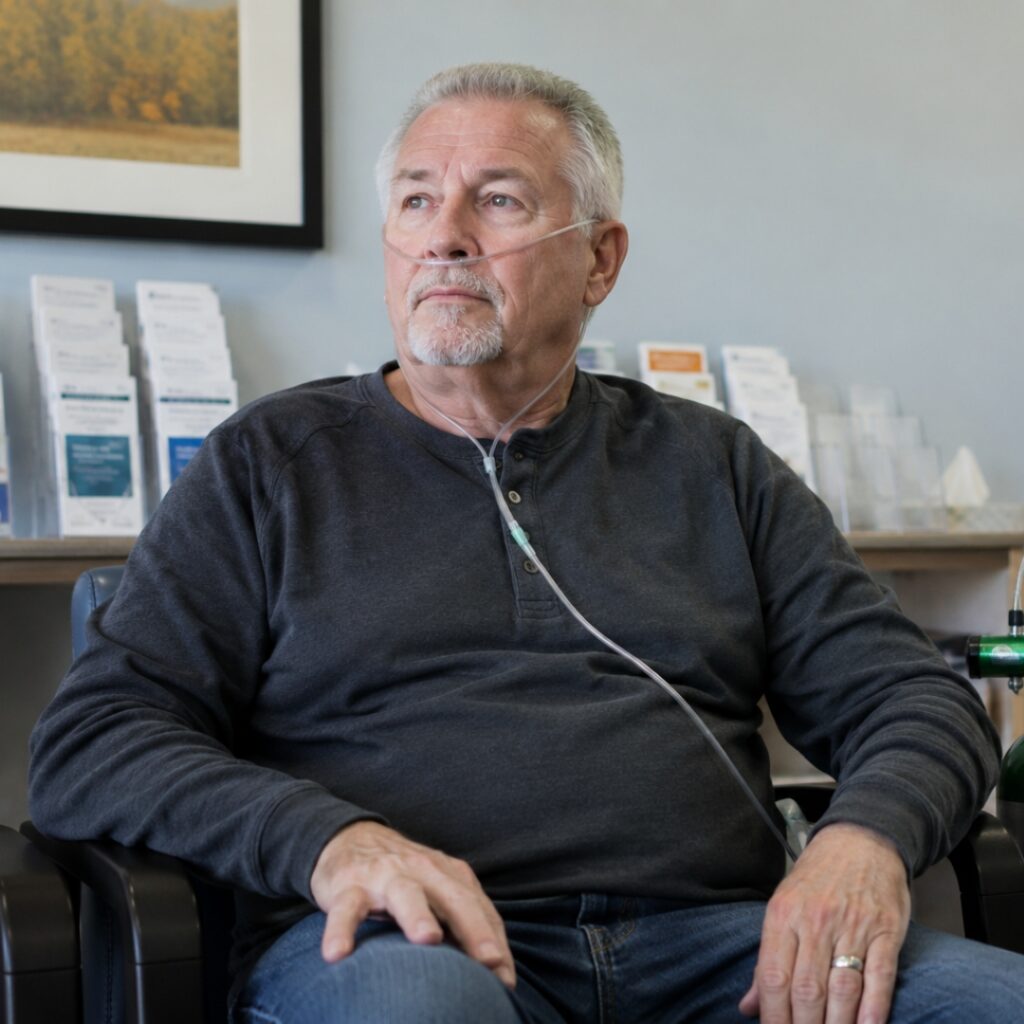
A chronic illness diagnosis can change more than your care routine. It can affect how you get through a workday, plan for appointments, manage fatigue or pain, and feel secure about your income and health insurance.
For many people, the questions do not arrive all at once. You may be wondering whether to tell your employer about your condition, how to keep up with the essential parts of your job, or what happens if your condition makes working impossible for a period of time. . Understanding your options can help you make decisions one step at a time.
How a Chronic Illness Can Affect Work
Every job and work environment is different, but a chronic illness may affect work in ways that are not always visible to others. The impact can include:
- Frequent appointments, testing, infusions, or treatment-related travel
- Fatigue, pain, brain fog, shortness of breath, or other symptoms that can change from day to day
- A need for additional breaks, a modified schedule, or time away from work
- Difficulty completing certain physical tasks, commuting, or maintaining a full-time schedule
- Stress about keeping health insurance and managing rising out-of-pocket costs
A diagnosis does not automatically mean you must leave your job. Many people continue working with the right support, treatment plan, and adjustments. The first step is often identifying which job duties or parts of the workday have become difficult and what would make them more manageable.
Workplace Rights You May Have
Federal protections may apply depending on your health condition, your job, and the size and type of your employer. State and local laws can provide additional protections. This is general educational information, not legal advice, so consider seeking individualized guidance when your situation is complex.
Reasonable Accommodations Under the ADA
The Americans with Disabilities Act, or ADA, may protect qualified employees and applicants with a disability from discrimination. In general, the law applies to employers with 15 or more employees. A person must be able to perform the essential functions of the job, with or without a reasonable accommodation.
A reasonable accommodation is a change to a job or work environment that helps a qualified person do the job. Depending on the role and the person’s needs, examples may include:
- A modified or flexible work schedule
- Time off for treatment or medical appointments
- Additional breaks or a work area closer to necessary facilities
- Modified equipment, assistive technology, or adjustments to workspace setup
- Job restructuring or reassignment to a vacant position in some situations
An employer is not required to provide an accommodation that creates an undue hardship, and the accommodation process is individualized. For an accommodation, you generally need to let your employer know that you need a work-related change because of a medical condition. You do not have to use special legal language to begin that conversation.
Medical Leave Under the FMLA
The Family and Medical Leave Act, or FMLA, may give eligible employees of covered employers up to 12 workweeks of unpaid, job-protected leave in a 12-month period for a serious health condition. Group health benefits must generally continue under the same terms while an eligible employee takes FMLA leave.
To qualify, an employee generally must have worked for the employer for at least 12 months and completed at least 1,250 hours of work during the previous 12 months. The employee must also work at a location where the employer has at least 50 employees within 75 miles. Discussing leave needs with your HR department early can help you understand the process and documentation requirements.
When a Chronic Illness Makes It Hard to Continue Working
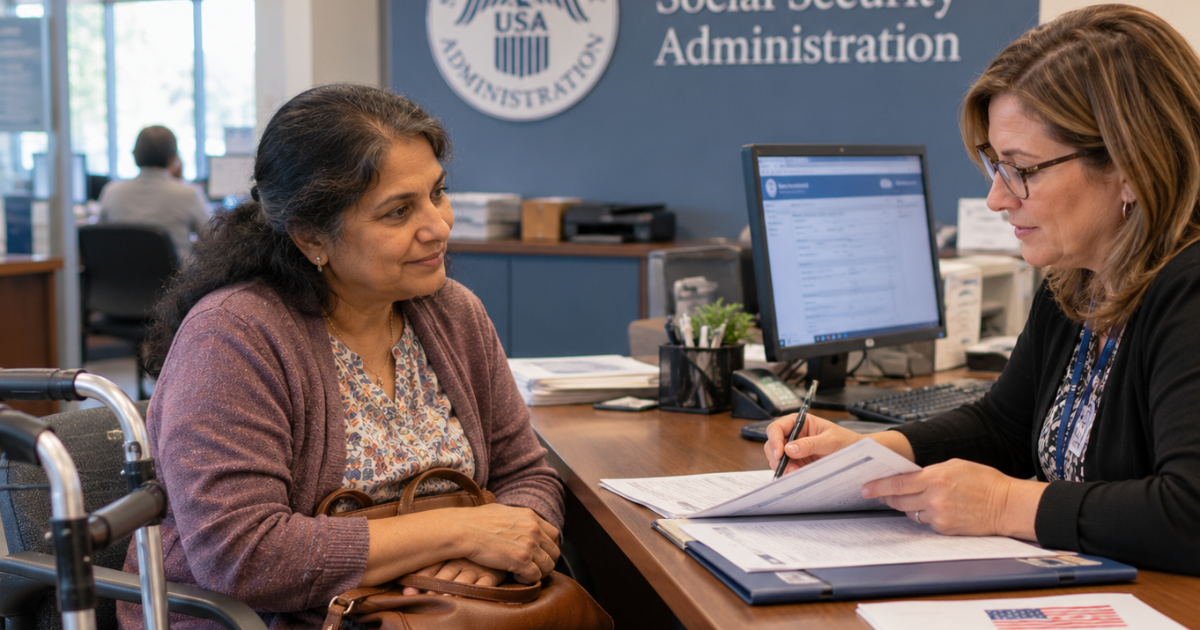
When symptoms or treatment make it impossible to keep working, federal disability benefits may be one source of support. Social Security Disability Insurance, or SSDI, is not available simply because someone has a diagnosis. The Social Security Administration evaluates whether a medical condition prevents a person from working and is expected to last at least 12 months or result in death, along with other program requirements such as work history.
Supplemental Security Income, or SSI, is a separate program for people with limited income and resources. Because eligibility can be complicated, it can help to learn about both programs before deciding what to apply for.
Where to Find SSDI Application Help
Looking for help with an SSDI application can feel overwhelming when your health already requires so much attention. Start by gathering the information that Social Security may request, including medical records, treatment history, medication information, recent test results, and details about your work history.
The Social Security Administration offers an online disability application and an Adult Disability Checklist to help applicants prepare. You can also apply by phone or make an appointment at a local Social Security office. Do not wait to learn about your options simply because you do not yet have every document in hand.
Accessia Health’s Social Security Disability Legal Aid Program
For families facing certain chronic medical conditions, Accessia Health’s A.C.C.E.S.S.® program provides free, confidential disability legal aid. Accessia Health attorneys assist eligible patients nationwide with SSDI and SSI claims, answer questions about disability benefits, and help families understand the Social Security disability application process.
The program currently serves people with specific diagnoses, so review Accessia Health’s Legal Assistance page or contact the team to learn whether support may be available for your condition. If your situation falls outside of the program’s scope, a state Protection and Advocacy organization or another local legal aid provider may be able to explain additional options.
How Accessia Health Can Help With the Financial Side of Care
A change in work can also change the financial picture of care. Reduced hours, unpaid leave, or the loss of employer-sponsored coverage can make premiums, copays, coinsurance, travel, and other medical expenses even harder to manage.
Accessia Health cannot replace lost income, but its disease-specific patient programs may help eligible people with certain rare and chronic conditions manage eligible healthcare expenses. Depending on the program, assistance may be available for provider and medication copays, coinsurance, health insurance premiums, medical expenses, and treatment-related travel. Eligibility, covered expenses, and program availability vary.
Workplace accommodations, disability benefits, legal guidance, and financial assistance serve different purposes, but together they can help you protect your health and make informed decisions about work.
Take the Next Step
If a chronic illness is affecting your ability to work, you do not need to solve every question at once. Consider starting with a few practical steps:
- Talk with your healthcare team about how symptoms and treatment affect your ability to complete job duties
- Ask your HR department about the accommodation or leave process at your workplace
- Review official ADA, FMLA, and Social Security guidance before making important employment or benefits decisions
- Explore Accessia Health’s Legal Assistance program for SSDI application help if your condition may be eligible
- Review Accessia Health patient programs for help with eligible healthcare expenses
No one should have to navigate a chronic illness diagnosis, work changes, and the cost of care alone. Accessia Health is here to help patients and families better understand their options and find support that fits their situation.