Pulmonary Fibrosis: Diagnosis, Treatment & Financial Support
Understanding Pulmonary Fibrosis
A diagnosis of pulmonary fibrosis (PF) can feel overwhelming for the person receiving it and for the family standing beside them. It often comes with a flood of new terms, tests, and treatment decisions, all while trying to process what the diagnosis means for daily life.
At Accessia Health, we believe no one should have to face a serious health condition without support, information, or a community that understands. This article breaks down what pulmonary fibrosis is, what to watch for, how it’s diagnosed and treated, and how Accessia Health’s Pulmonary Fibrosis Patient Program may be able to help.
What Is Pulmonary Fibrosis?
Pulmonary fibrosis is a condition in which the tissue deep in the lungs becomes scarred over time. As that scar tissue builds up, it grows thick and stiff, making it harder to breathe and harder for the lungs to move oxygen into the bloodstream.
There are many possible causes, including environmental pollutants, certain medications, some connective tissue diseases, and interstitial lung disease — a broad category of conditions that cause inflammation or scarring in the lungs. In most cases, however, doctors are never able to identify an exact cause. When that happens, the condition is called idiopathic pulmonary fibrosis, or IPF — “idiopathic” simply meaning the cause is unknown. IPF tends to develop most often in people between the ages of 60 and 70, and it’s more common in men than in women.
Pulmonary fibrosis doesn’t affect everyone the same way. National Heart, Lung, and Blood Institute (NHLBI)-supported research found that Black adults with pulmonary fibrosis are more likely to be diagnosed about a decade earlier than white adults, and are also more likely to experience outcomes such as hospitalization or the need for a lung transplant. Understanding these differences is an important step toward more equitable, earlier care for everyone affected by this disease.
Recognizing the Symptoms
Pulmonary fibrosis often develops gradually, which means early symptoms can be easy to dismiss as simply “getting older” or “being out of shape.” Paying attention to how your body changes over time — and speaking up to a doctor when something feels off — can make a real difference in catching the disease earlier.
The most common symptoms include:
- Shortness of breath that gets worse over time. At first, this may only happen during exercise or exertion. Over time, some people become breathless even while resting.
- A dry cough that gets worse, sometimes with repeated bouts of coughing that are hard to control.
- Extreme tiredness and aching muscles or joints.
- Clubbing, a widening and rounding of the fingertips or toes.
- Gradual, unintended weight loss and a general sense of not feeling well.
If you or someone you love is experiencing ongoing shortness of breath or a persistent cough that isn’t improving, it’s worth bringing up with a doctor even if it seems minor at first.
How Pulmonary Fibrosis Is Diagnosed
Because early symptoms overlap with so many other conditions, pulmonary fibrosis can take time to diagnose. Physicians typically rely on a combination of tools rather than a single test.
These evaluations often include:
- A detailed medical history and physical exam, including listening to the lungs for a distinctive crackling sound.
- Imaging tests, such as a chest X-ray or a high-resolution CT scan, which can reveal patterns of scarring in the lungs.
- Lung function tests, which measure how well the lungs are working and how much air they can hold.
- A biopsy, in some cases, to examine lung tissue directly when imaging alone isn’t conclusive.
Because this process can involve multiple specialists — often a pulmonologist, radiologist, and sometimes a pathologist — getting a confirmed diagnosis can feel like a long road. Patience, persistence, and a supportive care team all matter here.
Treatment and Living with Pulmonary Fibrosis
There is currently no cure for pulmonary fibrosis, but that doesn’t mean there’s nothing that can be done. Treatment focuses on relieving symptoms, slowing the progression of the disease, and helping people maintain the best possible quality of life. Common approaches include:
- Antifibrotic medications, which may help slow the rate of lung damage in people with IPF.
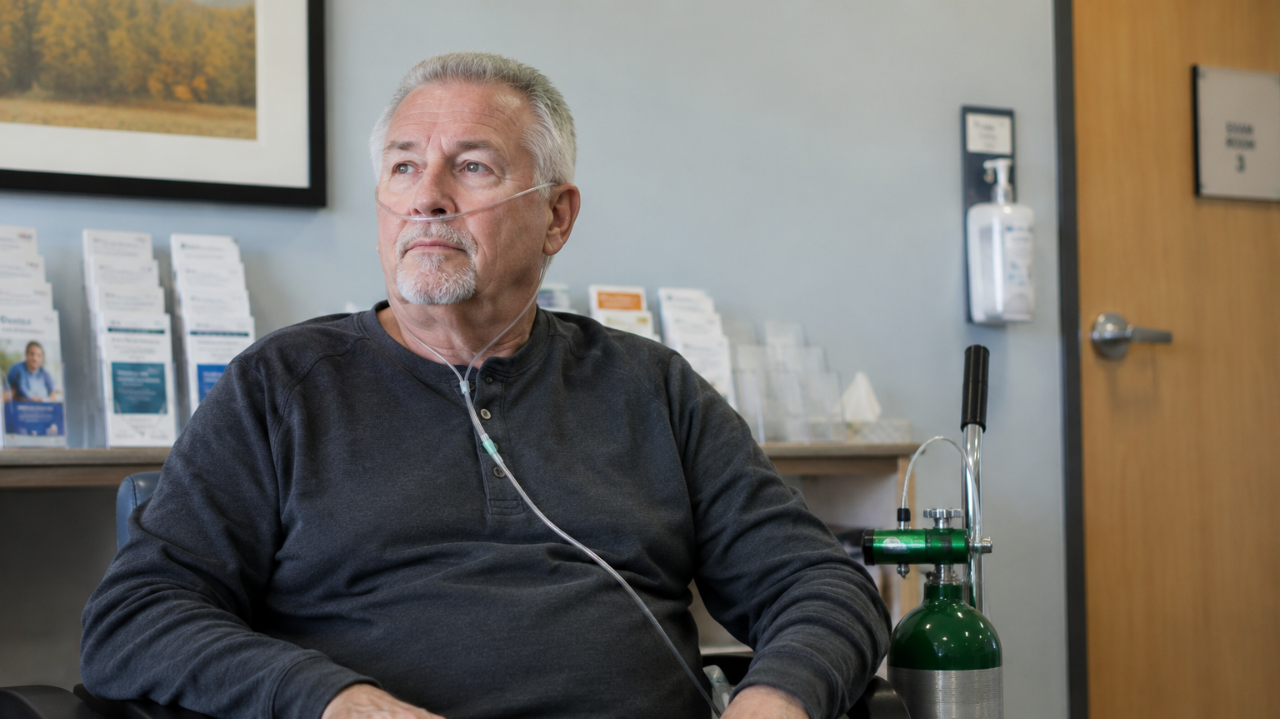
- Oxygen therapy for people whose blood oxygen levels drop too low, helping ease strain on the body.
- Pulmonary rehabilitation, a supervised program that won’t cure the disease but can help people breathe more comfortably during physical activity.
- Lung transplantation, which may be considered for some people with advanced disease.
- Lifestyle changes, including quitting smoking.
Beyond the physical toll, pulmonary fibrosis often comes with a significant financial one. Between specialist visits, imaging, medications, oxygen equipment, and pulmonary rehabilitation, the ongoing cost of managing a chronic lung disease can add up quickly. For many patients and families, that financial strain becomes just as overwhelming as the diagnosis itself.
Financial Support for Ongoing Care
Through our Pulmonary Fibrosis Patient Program, eligible individuals may be able to receive financial assistance to help offset some of the out-of-pocket costs associated with managing pulmonary fibrosis, easing the burden so patients can focus more on their health and less on their bills.
A pulmonary fibrosis diagnosis changes a lot — but it doesn’t have to mean facing every challenge alone. Whether you’re newly diagnosed, further along in your journey, or caring for someone who is, know that resources and support exist.