From Uncertainty to Independence: Narah’s Story with Fabry
For much of her life, Narah Cano knew something was happening with her health, even if she did not yet have a name for it.
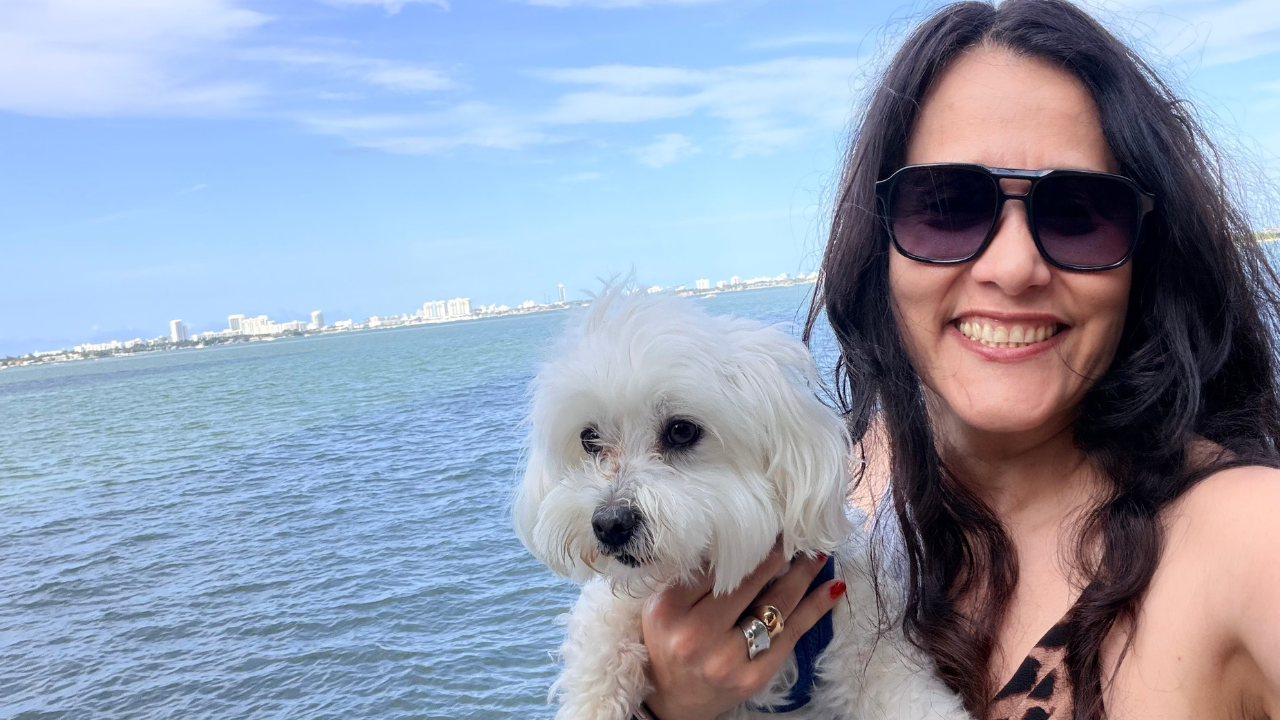
Born in Brazil, she has called the United States home for the past 18 years, building a career in international business and supply chain, working across global markets and embracing an independent life that included traveling the world on her own. Outside of her career, Narah finds grounding in her faith, family, meaningful relationships, and her dog, Ben.
Years of Symptoms Without Answers
Narah experienced symptoms beginning in childhood. At 10 years old, she completely lost hearing in her right ear. As the years passed, she experienced tingling, numbness, burning pain, and other symptoms that remained unexplained.
Tests repeatedly came back normal, and after having her symptoms dismissed, Narah eventually stopped searching for answers. She adapted to the discomfort and uncertainty until a frightening experience at the gym changed everything—she suddenly could not feel her legs.
The experience prompted her to begin searching for answers again. A neurologist eventually ordered genetic testing, and in 2023, Narah was diagnosed with both Fabry disease and Charcot-Marie-Tooth disease (CMT). She has also experienced a stroke, adding another challenge to an already complex health journey.
“I had to grieve the version of myself I once was,” she shared.
Learning to Live Differently
Living with conditions that are often invisible has brought challenges beyond the physical symptoms. Narah has frequently encountered people who assume that because she looks well, she must feel well.
“If people truly understood how much effort it takes just to show up, to function, and to smile, they would think twice before questioning what they can’t see,” Narah said.
Over time, she has learned that managing her health means more than continuing to push forward. It also means recognizing her limits, giving herself permission to rest, and caring for her mental health alongside her physical health.
Support from psychologists helped Narah work through the grieving process following her diagnoses. She has also learned to pause, breathe, listen to her body, and discover new things she enjoys.
“Strength doesn’t always look like pushing forward, but sometimes like resting, accepting, and continuing anyway.”
Turning Her Experience Into Hope
When Narah was first diagnosed, she had never heard of Fabry disease or CMT. She was the first person in her family to receive the diagnoses, and much of the information she initially found online felt negative and discouraging.
Eventually, she decided to contribute a different perspective by creating a social media page to share her experience and offer something she had struggled to find herself: HOPE.
“It’s not easy. Some days are tough. But there is always a tomorrow.”
The impact became clear when a family with multiple members, including children, living with the disease reached out to thank her for giving them inspiration. For Narah, it was a powerful reminder that sharing her experience could help someone else feel less alone.
When the Cost of Care Became Overwhelming
Following her diagnosis, Narah spent nearly two years without a job. During that time, she exhausted her savings and even her retirement funds trying to keep up with the costs associated with her care.
Insurance premiums, copays, medications, treatments, and other expenses continued to accumulate.
“The cost of healthcare is a constant challenge,” Narah said.
The financial strain was particularly significant as she worked to regain her mobility. Narah needed physical therapy twice a week, with a $100 copay for each session. By the end of the year, she was also facing an additional bill of nearly $4,000.
Yet physical therapy was making an enormous difference. It helped her progress from relying on a walker or cane to walking independently again.
“That progress was not just physical, it was emotional. It gave me back a sense of independence.”
It was at a Fabry disease conference that she first learned about Accessia Health. Through our Fabry Patient Assistance Program, Narah was able to receive support for essential healthcare costs and continue the treatment that was helping her move forward.
“If it weren’t for Accessia Health, I honestly don’t know how I would have managed,” she said. “Their support allowed me to continue my treatment, maintain my progress, and preserve my mobility.”
Finding Strength in the People Who Stay
When she first began treatment for Fabry disease and was experiencing side effects while still processing her diagnosis, her friends organized a Sunday lunch filled with her favorite foods. With much of her family living abroad, their gesture reminded her that she had people beside her.
Her mother later came to stay with her, bringing a sense of comfort and home during a difficult period. And Ben, Narah’s dog, has remained a steady source of companionship and calm.
Those relationships have reinforced one of the most important lessons Narah has learned: living with a chronic condition does not have to mean facing every challenge alone.
Today, she continues treatment while building a life around a deeper understanding of what her body needs. Her journey is not about returning to exactly who she was before her diagnoses. It is about appreciating how far she has come, protecting the progress she has made, and continuing forward with a different understanding of strength.
“What once felt automatic now feels meaningful, and that perspective has changed everything.”
If you or a loved one has been diagnosed with Fabry disease, visit our Patient Assistance Program Page to learn more about financial assistance eligibility and how Accessia Health can provide support.