Finding HAE Answers Through Family, Advocacy and Support
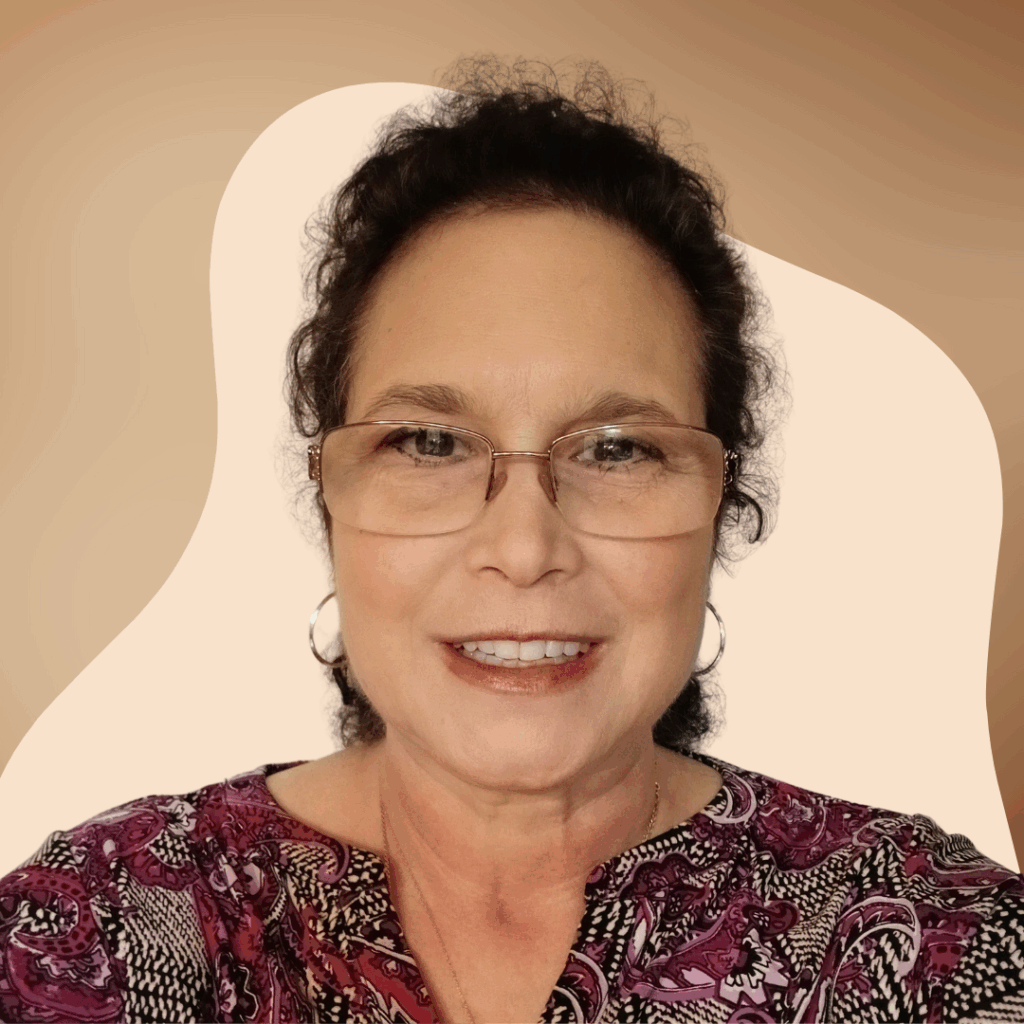
For LaTonya Burnett, living with Hereditary Angioedema (HAE) has never just been about managing symptoms. It has meant navigating emergency room visits, fighting insurance barriers, balancing healthcare costs and learning how to advocate for herself in spaces where many providers had never even encountered her condition before.
But through it all, one thing has remained constant: support from her family, trusted physicians and programs like Accessia Health that helped make treatment possible.
A Rare Diagnosis That Runs in the Family
LaTonya’s experience with HAE began long before she fully understood what the condition was. The rare genetic disease had already impacted multiple generations of her family. Her mother, aunt and grandfather all lived with HAE, and eventually LaTonya and her sisters were diagnosed as well.
Symptoms first appeared when she was around nine years old. Early attacks primarily affected her gastrointestinal system, often leaving her unable to keep food down and requiring emergency medical care and IV fluids. As she got older, the condition progressed into more dangerous swelling episodes involving her face and throat.
While family history helped point doctors in the right direction, formal testing eventually confirmed that LaTonya has Type II HAE. Over time, she also began recognizing how the disease’s inflammatory nature could contribute to other health challenges she experiences, including ongoing gastrointestinal complications.
Living With a Disease Many Providers Have Never Seen
Because HAE is rare, LaTonya says one of the biggest challenges has been moving through a healthcare system where many providers simply are not familiar with the condition.
During emergency room visits, she often found herself explaining her condition to doctors in real time while her mother helped guide treatment over the phone. Other times, providers acknowledged they had only read about HAE in medical textbooks.
“I’ve been in appointments where doctors are like, ‘Hey, do you mind showing me [the swelling and symptoms]? Because I heard about this in medical school, but I’ve never seen it.’”
Those experiences reinforced just how important awareness and education are for rare diseases. For LaTonya, it also highlighted the importance of having physicians who truly listened and collaborated across specialties to understand the full picture of her health.
The Financial Weight of Staying Healthy
Like many individuals living with rare and chronic conditions, LaTonya says the cost of treatment became one of the most overwhelming parts of her healthcare journey. The medications needed to manage HAE can cost thousands of dollars, and insurance approvals were not always straightforward.
At times, insurance providers pushed alternative medications that were less effective or required lengthy prior authorization processes before coverage could even be considered. Meanwhile, the financial pressure continued building.
“You’re trying to do the right thing. You’re trying to go to your doctor. You’re trying to follow your regimen for care. But then you go to a roadblock because of expenses.”
Even with health coverage, LaTonya says out-of-pocket costs for prescriptions and ongoing care quickly added up. Like many patients managing complex conditions, healthcare expenses often meant sacrificing in other areas of life just to stay on treatment.
Finding Support Through Accessia Health
LaTonya was introduced to Accessia Health through her longtime allergist, who spent years helping her family navigate HAE care and treatment options.
Through Accessia Health’s assistance, LaTonya began receiving support that helped relieve the ongoing financial burden associated with her care. That support has allowed her to stay consistent with treatment while focusing more fully on her health and family instead of constantly worrying about how to afford medications.
“Accessia Health has been consistent every month. That’s taken a lot of burden and weight off my shoulders.”
Today, LaTonya says newer medications have dramatically improved her quality of life and reduced the frequency of severe attacks. Access to those treatments, combined with financial assistance and knowledgeable care teams, has helped transform how she manages her condition day to day.
Turning Personal Experience Into Advocacy
Having spent much of her life managing the realities of HAE, LaTonya understands the challenges patients often encounter while seeking treatment and support. Those experiences fueled a desire to give back, leading her to become more active in advocacy and patient engagement efforts that can help improve the healthcare journey for others.
She became a member of the 2025-2026 Accessia Health Patient Advisory Committee (PAC), helping to provide insight into the real-world experiences and needs of the communities Accessia Health serves.
“This work is to help others that are in need. It’s about making a life-changing, life-saving impact on people.”
Today, LaTonya continues balancing many roles: mother, grandmother, healthcare advocate, and patient. Through every challenge, she remains deeply grateful for the people and resources that helped her continue moving forward.
Her story is a reminder that behind every rare disease diagnosis is a person working tirelessly to manage their health, advocate for themselves and build a future beyond the barriers they face.
Explore More Resources
For those with HAE, Accessia Health offers financial assistance to help cover copays, insurance premiums, medical expenses, travel for treatment, and more. To apply, visit our Patient Programs page.
Find further support for HAE through these organizations: