When Everything Feels Heavy: Facing Depression During the Holidays
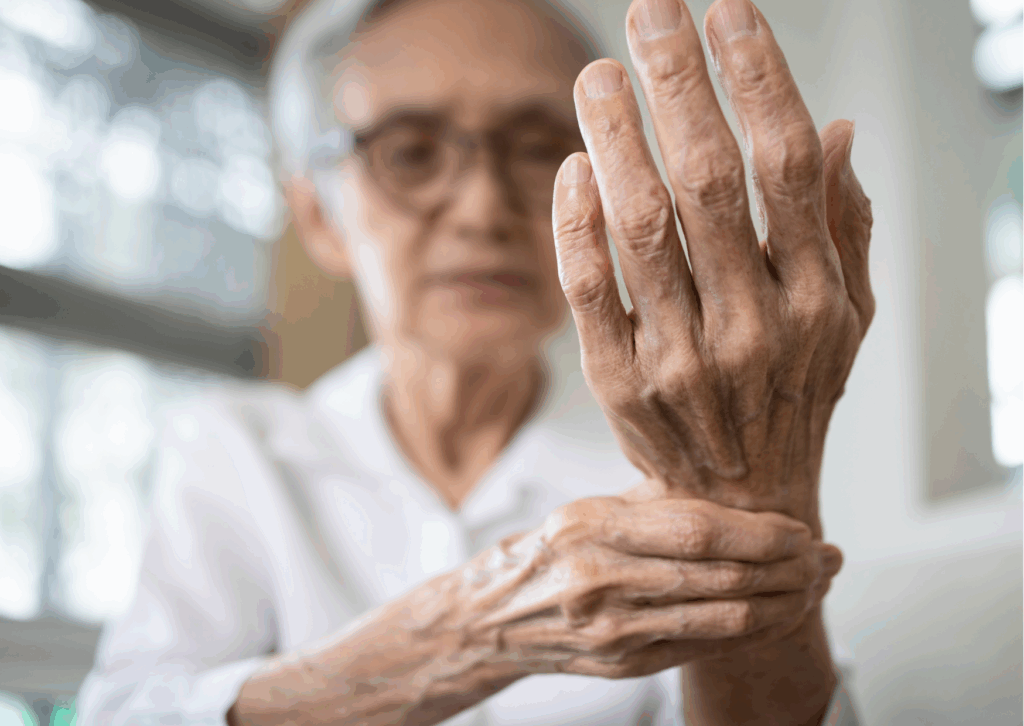
While end-of-year festivities and celebrations are anticipated for millions across the world, approaching the holiday season may not come as easy for those who have a rare disease or other medical issues. Seasonal Affective Disorder (SAD) affects approximately 5% of depressive disorders, with further research showing that individuals with chronic pain experiencing severe depression can be 85% more likely to develop SAD.
Although chronic conditions can directly impact mental health, there are a range of steps and treatment options to explore.
How does chronic illness affect depression?
Some people are at higher risk for developing depression or other mental illnesses than others. This is largely based on risk factors such as family history of mental health, conflicts, major life events, and more.
When dealing with a medical condition, these risk factors can be amplified, especially if the condition is chronic or long-lasting.
Research says up to one-third of people with a chronic condition experience symptoms of depression. Additionally, people with chronic physical illnesses are two times as likely to have depression or anxiety.
Some illnesses directly tie to higher rates of depression. For example, having a stroke directly affects the brain, which can link directly to developing anxiety or depression.
The estimated percentage of individuals with a chronic disease who also experience symptoms of depression (Cleveland Clinic; CDC) is as follows:
- Alzheimer’s 11%
- Heart attack 40-65%
- Cerebrovascular 23%
- Diabetes 25%
- Cancer 25%
- Parkinson’s 40%
- Coronary artery disease 18-20%
- Stroke 10-27%
Temporary sadness or stress is common after a diagnosis or significant medical event (heart attack, stroke, etc.), but if these feelings last, you may have depression, anxiety, or another mental illness. Being diagnosed with a chronic condition can cause feelings of stress, anger, or grief, which can all lead to a decline in mental health.
Additionally, people with chronic illnesses typically have more severe symptoms of both their medical condition and depression.
Symptoms of depression may include:
- Persistent sad feeling
- Feeling anxious, empty, or hopeless
- Decreased energy levels, tiredness, or sleep disturbances
- Anger or irritability
- Reduced appetite and weight loss or increased food cravings and weight gain
- Trouble thinking or concentrating
- Suicidal thoughts
If you’re experiencing any of these symptoms, there are steps you can take to help manage them.
Treating Depression and Mental Illness
Having a chronic illness can be a full-time job. It’s normal to experience sadness after a medical diagnosis, but coming up with a plan and surrounding yourself with support can ease the risk of depression.
While chronic illness can affect mental health, getting diagnosed and beginning treatment can help. Having a chronic condition doesn’t mean mental illness has to control your life.
The effect of depression can vary from person to person, so it’s important to note that the same treatment doesn’t work for everyone.
Even so, finding the most effective treatment for yourself can benefit your mental health and even help with your medical condition, as depression can intensify your symptoms.
Here are some specific ways you can battle depression.
1. Surround Yourself with Support: Isolation is oftentimes one of the worst parts of having a chronic illness, as it can be difficult to connect with others who don’t understand your condition. Many people with long-term illnesses also worry about being a burden. With all these factors on top of the diagnosis itself, it’s clear why chronic diseases can directly play into a decline in mental health.
This is why it’s so important to surround yourself with support. This can be friends, family, support groups, or professional help.
2. Be Open with Your Healthcare Provider: Talking to your healthcare provider about your mental health is crucial in exploring effective treatment and your next steps. Speaking honestly about your symptoms and asking questions can help take a weight off your shoulders.
3. Therapy and Medication: Therapy and medication can be effective in managing mental health disorders. Because every person can respond differently to treatments, it’s important to select the right option for you through research and speaking with your healthcare provider.
Antidepressants can help treat depression. Research also shows that psychotherapy and cognitive-behavioral therapy also help, and even more so when combined with medication.
Still, treatment is individual, so a regimen that works for one person could be completely different from someone else. It’s important to work with your healthcare provider to find what works best for you.
4. Self-Care Tips: Engaging in self-care activities, both mentally and physically, can benefit your mental health, chronic condition, and help you feel better overall.
Here are some ideas:
- Eat a healthy diet.
- Practice meditation.
- Take vitamins. Vitamins such as B1, B9, B12, and D are highly associated with improved mood.
- Get at least 7 to 8 hours of sleep per night.
- Maintain gut health by taking probiotics and eating enough fiber.
While chronic illness and depression can go hand in hand, it doesn’t have to control your life. Understanding the relationship between your condition, mental health, and treatment options can put you on a path forward to a healthy holiday season and new year.
If you or a loved one is struggling with mental health and have a diagnosis listed in our open Patient Programs, you may be able to use Accessia Health’s assistance to cover copay costs, insurance premiums, or other medical expenses associated with mental health therapies. Learn more about our programs here.
* The information provided on this blog is for general educational and informational purposes only and is not a substitute for professional medical advice, diagnosis, or treatment. Always seek the guidance of your physician or other qualified healthcare provider with any questions you may have regarding a medical condition. Do not disregard any professional medical advice or take any delay in seeking medical treatment based on anything you may have read in this blog, on this website or in any linked materials contained within. Thank You.